



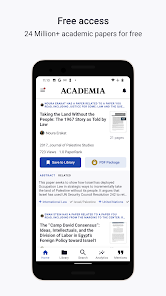
Academia.edu is a platform designed for academics to share research papers, monitor their impact, and connect with other researchers. One of its primary features is the ability to upload and share scholarly articles, allowing users to disseminate their work to a global audience. The platform supports various file formats, making it easy for researchers to present their findings in a visually appealing manner.
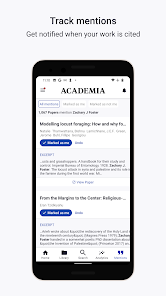
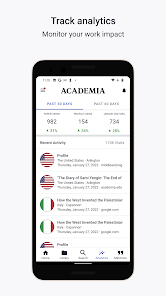
Another notable feature is the analytics dashboard, which provides insights into how many people have viewed or downloaded a user's papers. This data can help researchers gauge the impact of their work and identify potential collaborators. Additionally, Academia.edu allows users to follow other researchers and receive updates on their publications, fostering a sense of community within the academic world.
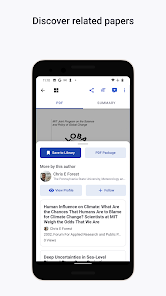
The platform also offers a search function that enables users to find papers by keywords, authors, or topics, making it easier to discover relevant research. Furthermore, Academia.edu supports networking opportunities through its messaging system, allowing users to connect directly with peers and experts in their fields.
Using Academia.edu is straightforward and user-friendly. To get started, users need to create a free account by providing their email address and setting a password. Once registered, users can complete their profiles by adding their academic background, research interests, and publications. This helps in building a professional presence on the platform.
After setting up a profile, users can begin uploading their research papers. The platform allows for easy file uploads, and users can add titles, abstracts, and keywords to enhance discoverability. It’s also beneficial to follow other researchers and institutions to stay updated on the latest research in specific fields. Engaging with the community by commenting on papers and participating in discussions can further enrich the experience.
To maximize the benefits of Academia.edu, users should regularly check their analytics to understand their audience better and adjust their sharing strategies accordingly. Additionally, participating in the platform’s networking features can lead to valuable collaborations and opportunities for academic growth.
Academia.edu offers several advantages for researchers and academics. One of the primary benefits is the platform's ability to increase the visibility of research work. By sharing papers on a global scale, researchers can reach a wider audience, which can lead to more citations and collaborations. The analytics feature is another significant advantage, as it provides insights into how research is being received and engaged with by the academic community.
However, there are also some drawbacks to consider. One major concern is that while Academia.edu is free to use, it has introduced premium features that require a subscription. This can limit access to certain tools for users who cannot afford to pay. Additionally, some critics argue that the platform's focus on metrics can lead to an unhealthy emphasis on quantity over quality in research dissemination.
Moreover, there are concerns about the ownership of uploaded content, as users may not retain full rights to their work once it is shared on the platform. Overall, while Academia.edu provides valuable resources for academics, users should weigh these pros and cons carefully to determine if it aligns with their research goals.

 Academia.edu enhances academic visibility for researchers worldwide. It facilitates easy sharing of scholarly papers and findings. Users can connect with like-minded scholars and expand their network. The platform offers insights into paper reach and engagement metrics. It provides a space for collaboration on research projects and ideas.
 Limited visibility can hinder the reach of your research. User data privacy concerns may arise with platform use. Potential for academic work to be misappropriated or plagiarized.
  Google Play
  App Store
 Yes, users can submit suggestions or feedback through the app or website, often through a contact or support section.
Yes, Academia.edu collects personal data as part of its user registration process, including information you provide and usage data to improve the service.
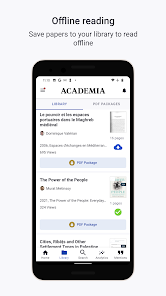
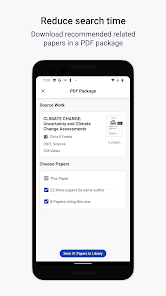
Yes, Academia.edu allows users to download papers for offline reading, making it convenient to access research without an internet connection.
You can cancel your subscription by going to your account settings within the app and selecting the option to manage your subscription.
The subscription cost can vary, but it typically offers different tiers, with premium features available for a monthly or annual fee.
Unfortunately, customer numbers cannot be changed once assigned. If you have issues, please contact customer service for assistance.
You can reach customer service via the contact form on our website or through the support email provided in the help section.
Once logged in, go to your account settings to update your personal information, including email and password.
To activate your account, click the activation link sent to your registered email address after signing up.
Click on the "Forgot Password" link on the login page to reset your password and regain access to your account.